data: 2026 - 10 - 15
Walk into almost any commercial or industrial building and look up. More often than not, the roof is a dead zone — sealed, dark, and doing nothing except keeping the rain out.
That space is not neutral. It's lost daylight, wasted ventilation, and, on some projects, a missed compliance opportunity. Roofs that stay permanently closed push buildings to rely entirely on artificial lighting and mechanical ventilation, driving up both energy bills and the carbon footprint of the HVAC system.
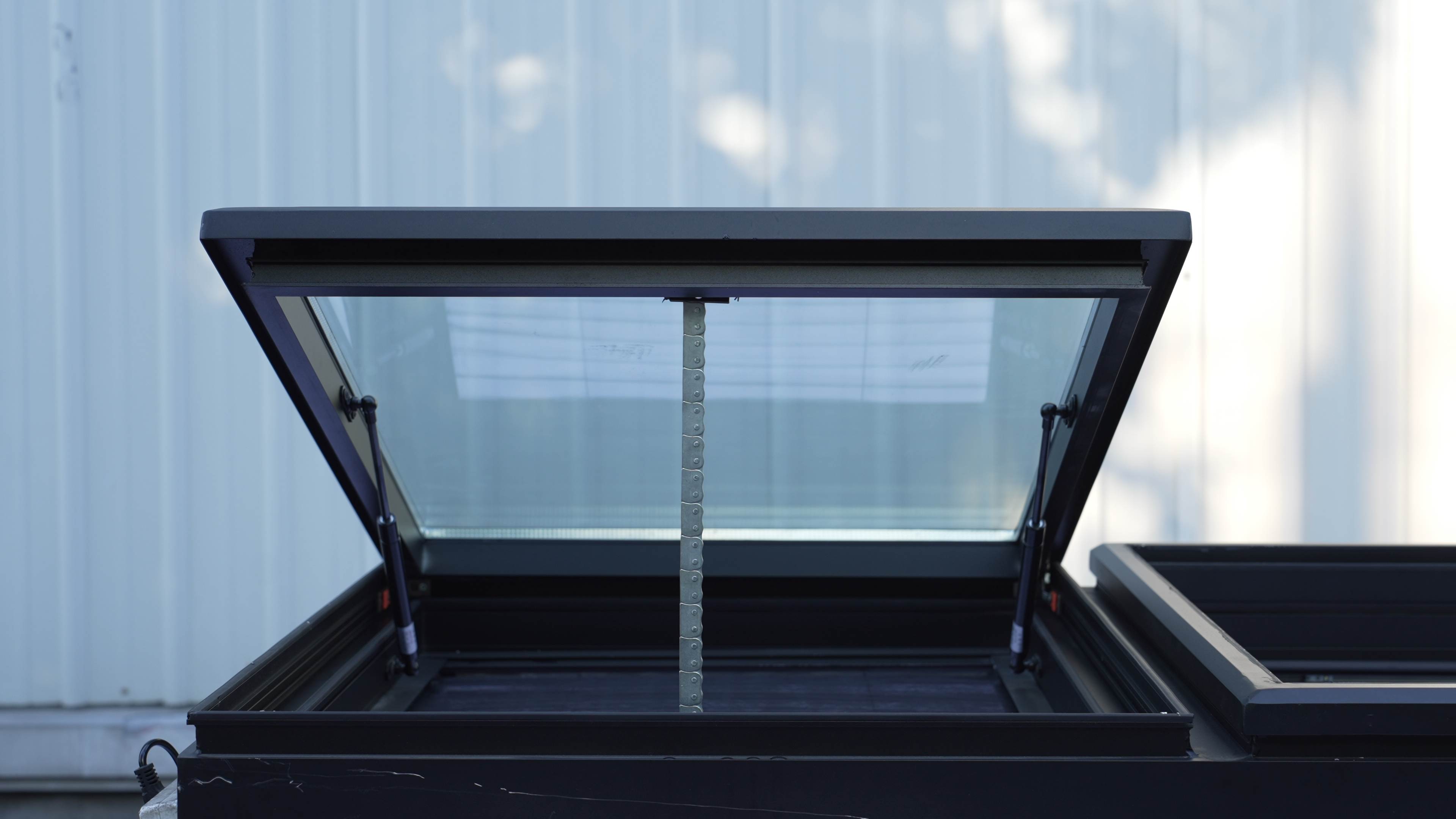
For distributors and project buyers, skylights are one of the highest-ROI products to add to a portfolio: they are specified in almost every new commercial, industrial, and residential project — and the demand for them is only growing.
Why Building Owners Are Choosing Skylights Now
The business case for skylights has changed in the last decade. They are no longer a "nice window in the ceiling" — they are engineered components that deliver measurable outcomes:
• Daylighting. Well-planned skylights can cut lighting energy use substantially in single-storey facilities, warehouses, and production halls. Good daylighting has also been linked to better concentration and fewer errors in workplaces — a real talking point for facility managers.
• Natural ventilation. Operable skylights exploit the stack effect: warm air rises and exits through the roof, drawing fresh air in at low level. This passive cooling strategy reduces HVAC runtime during mild seasons.
• Smoke ventilation. In many jurisdictions, roof-level smoke vents are a compliance requirement for stairwells and large halls. Motorized skylights can double as natural smoke exhaust systems, meeting fire-safety regulations while also serving everyday ventilation.
• Well-being and comfort. Daylit spaces feel larger, calmer, and more connected to the outdoors — a selling point that property owners increasingly use in marketing premium and office space.
Choosing the Right Skylight System: A B2B Checklist
Not all skylight systems are equal — and the difference matters long after the project handover. When evaluating products for distribution or specifying them for a project, buyers should check:
1.Fixed, vented, or automated? Fixed skylights are the entry-level option. Vented units (manual or electric) add ventilation value. Automated systems, with rain/wind sensors and smart control, deliver the full package — and the highest margin.
2.Glazing performance. U-value, solar heat gain coefficient (SHGC), and low-E coating determine energy performance. Buyers should ask for test certificates, not marketing claims.
3.Watertightness and condensation control. A skylight that leaks or drips condensation destroys a ceiling and a reputation. Thermal break profiles, correct flashing, and drainage design matter more than the glazing itself.
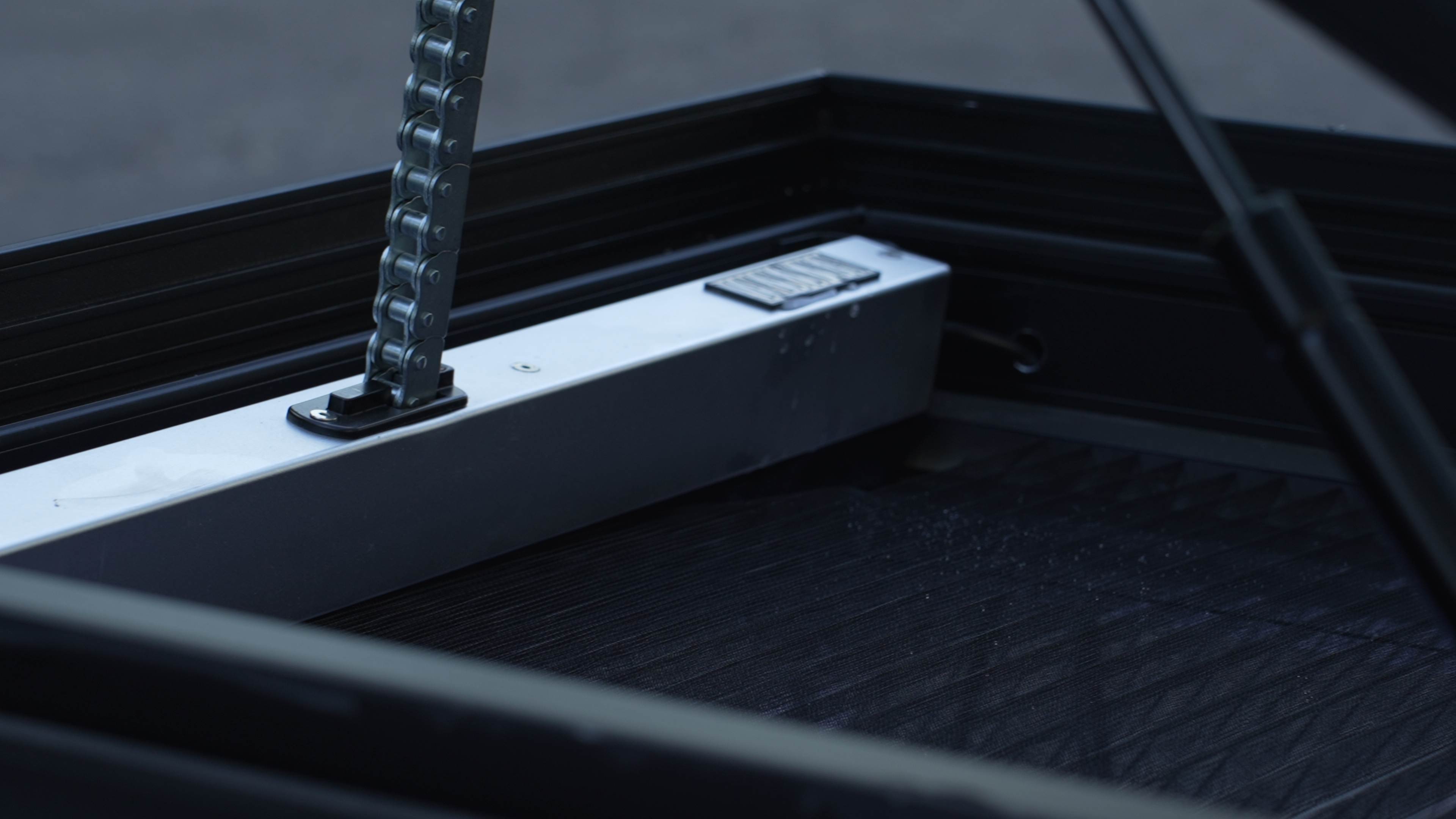
4.Motorization and control. Electric skylights integrate with rain sensors, timers, remote controls, and building management systems. In residential and outdoor-living projects, compatibility with smart home platforms is increasingly expected.
5.OEM/ODM flexibility. For distributors building their own brand, customized sizes, finishes, and control options — backed by engineering support — separate a component supplier from a true partner.
Where the Growth Is
Three application segments are driving demand right now:
• Commercial and office fit-outs — daylight strategies in lobbies, atriums, and open-plan floors.
• Industrial and logistics — daylighting and natural smoke ventilation in warehouses and production facilities.
• Premium residential and outdoor living — skylights, glass roofs, and smart pergola systems in villas and holiday properties.
Distributors who cover these segments with a solid product range — from cost-effective fixed skylights to fully automated vented systems — are positioning themselves for steady, repeatable demand.
The Bottom Line
A roof is the largest unclaimed surface in most buildings. Skylights convert it from passive waterproofing into daylight, ventilation, and compliance — measurable value that building owners increasingly pay for. For B2B buyers, the question is no longer whether to offer skylights, but which partner to build the range with.
Planning a skylight line or specifying for a project? Our engineering team provides catalogs, technical data, and OEM/ODM support — respond to technical inquiries within 24 hours.


