data: 2026 - 10 - 13
The Hidden Pain Behind Every Hard-to-Reach Window
Every building has them: skylights high above a stairwell, windows along a glass façade, ventilation louvers in a warehouse roof. They exist to bring in light and fresh air — but nobody can reach them without a ladder, a pole, or a maintenance crew.
For contractors and facility managers, this isn't a minor inconvenience. Manually operated high-level windows often end up never opened at all, which defeats the purpose of natural ventilation design and can even create compliance issues in buildings that rely on natural smoke ventilation.
This is exactly the problem the electric window opener (also called an electric actuator or window automation system) was engineered to solve — and it's why demand has been growing steadily across commercial, industrial, and high-end residential projects worldwide.
What an Electric Window Opener Actually Does
In its simplest form, an electric window opener uses a motorized actuator to push a window open and pull it closed, triggered by a wall switch, a remote, or a building management system.
But in practice, a professional-grade system does much more:
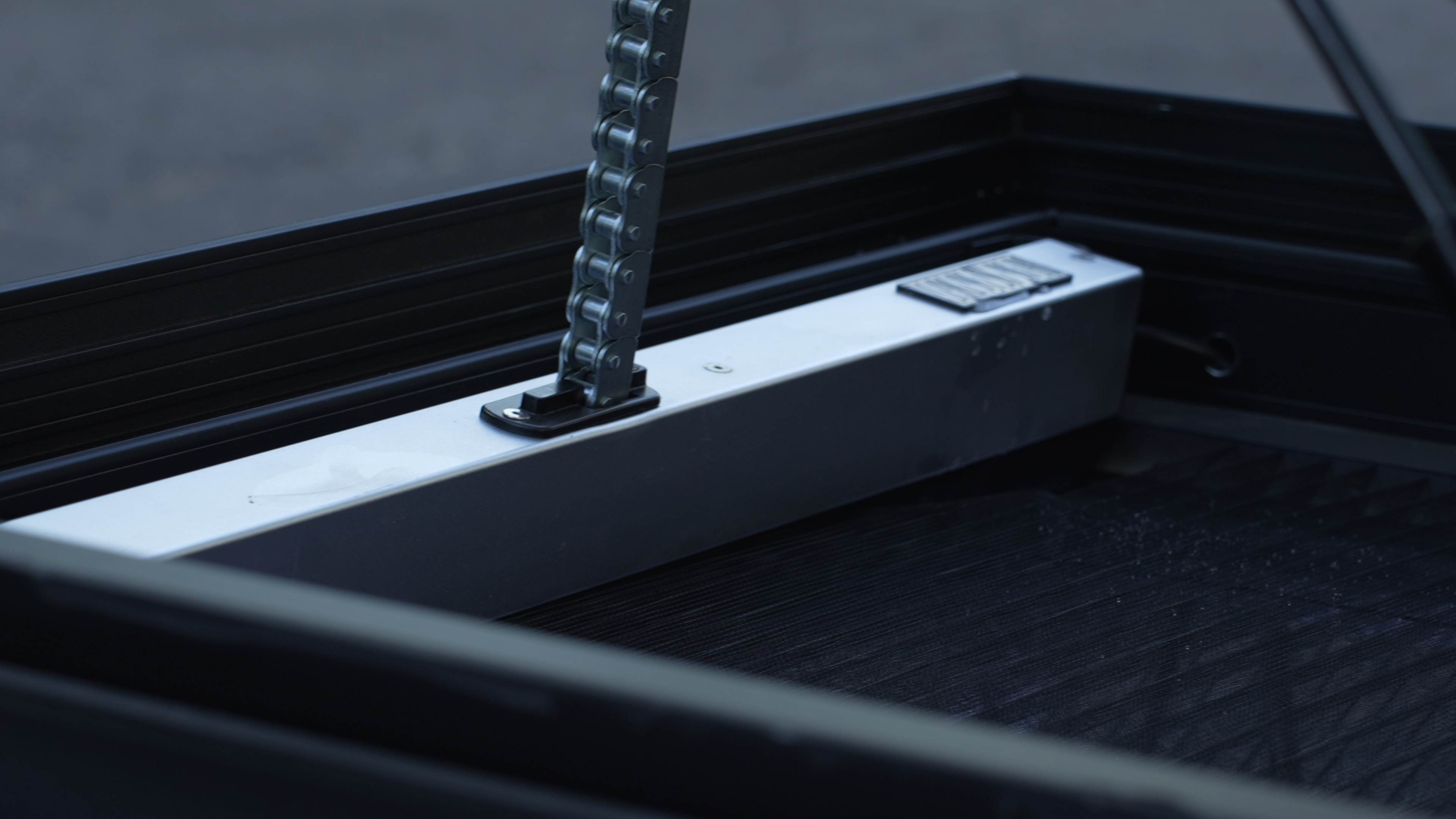
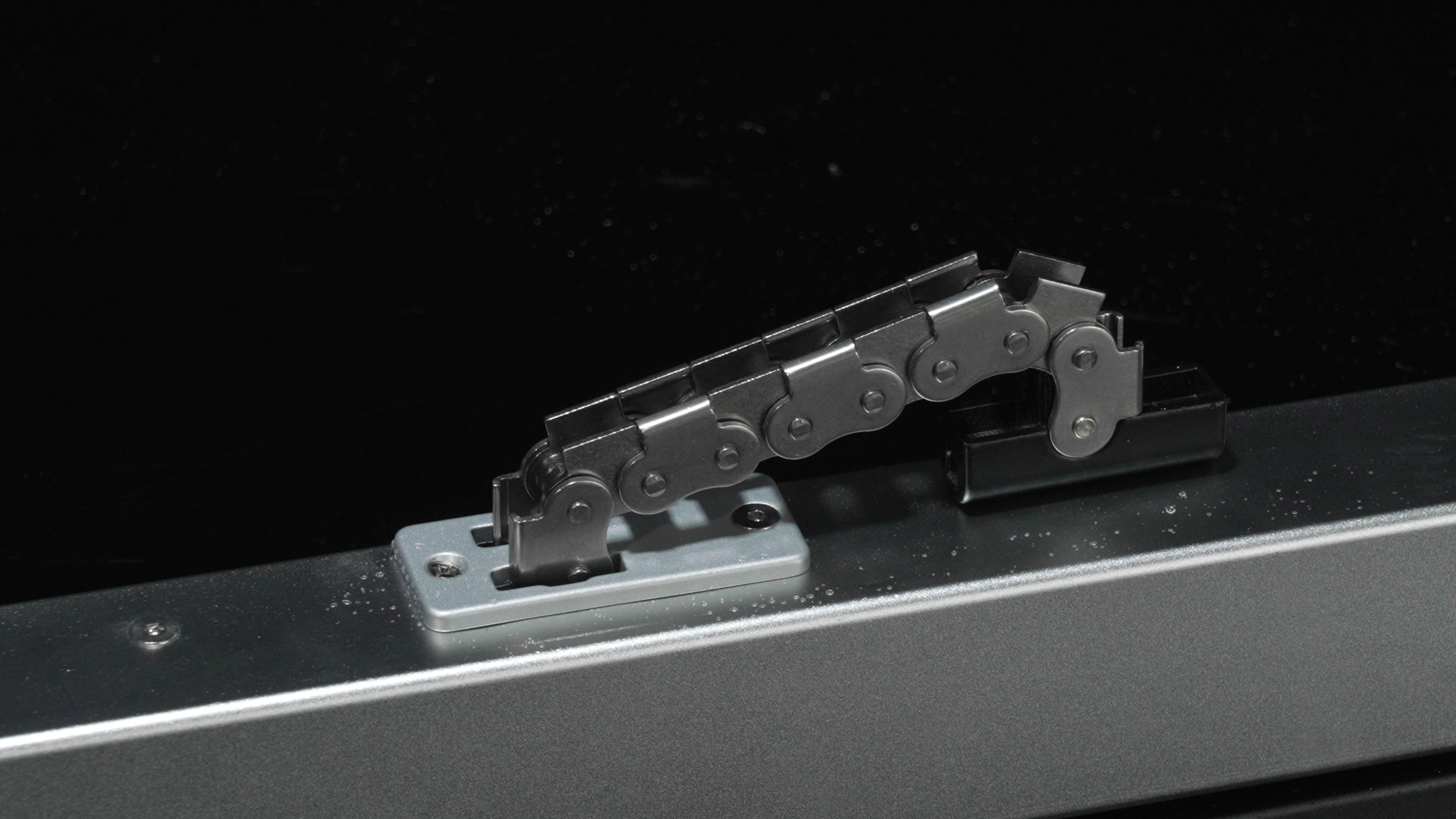
• Chain actuators — compact, discreet, and ideal for top-hung and side-hung windows and skylights. The chain extends in a curved path, making it the most versatile choice for façades.
• Rod (linear) actuators — built for heavier windows and larger openings, delivering strong, straight-line thrust where a chain would be under-powered.
• Smart controllers and sensors — pair the actuators with rain, wind, and temperature sensors so windows close automatically when weather changes, or integrate them with mainstream smart home and building automation platforms.
A well-specified system turns "windows that can't be reached" into "windows that manage themselves" — ventilating on schedule, responding to weather, and closing the moment smoke is detected in a fire scenario.
Where B2B Buyers Are Using Them
If you distribute building components or procure for projects, you've likely seen electric window openers specified in:
• Commercial buildings — offices, hotels, and retail spaces with high-level façade glazing, where natural ventilation reduces HVAC load and operating costs.
• Industrial facilities — warehouses and plants using roof windows for heat and fume extraction.
• Public and educational buildings — gymnasiums, schools, and hospitals where operable high windows must meet safety and ventilation requirements.
• High-end residential and outdoor living — conservatories, glass pavilions, and smart pergolas where automated skylights and louvers are part of the premium experience.
The common thread: wherever windows sit out of reach, or where ventilation needs to happen automatically and reliably, electric window openers stop being a luxury and start being infrastructure.
What Separates a Good Supplier from a Cheap One
Not all actuators are built to the same standard, and for distributors, the difference shows up months after installation — in warranty claims.
When evaluating a manufacturer or supplier, B2B buyers typically look at:
1. Cycle life and load rating. How many open/close cycles is the actuator tested for, and at what window weight? A spec sheet that avoids these numbers is a red flag.
2. Weather and corrosion resistance. Units mounted on façades and skylights face sun, rain, and pollution for years. Ask about IP ratings and housing materials.
3. Noise level. A loud actuator in a hotel guestroom or a residential skylight is a customer complaint waiting to happen.
4. Ecosystem compatibility. Does the system integrate with the control platforms your end customers already use — from simple switches to full smart home and BMS environments?
5. OEM/ODM support. For distributors building their own brands, engineering support, custom strokes and forces, and reliable lead times matter as much as unit price.
The Bottom Line
Natural ventilation, smart buildings, and aging-in-place design are all long-term trends pushing operable windows further out of physical reach — and automation is the bridge. For distributors and project buyers, choosing the right manufacturing partner now means riding that demand curve instead of chasing it.
Looking for a manufacturing partner who understands both the engineering and your market? Contact our team for product catalogs, project references, and OEM/ODM options — we respond to technical inquiries within 24 hours.


